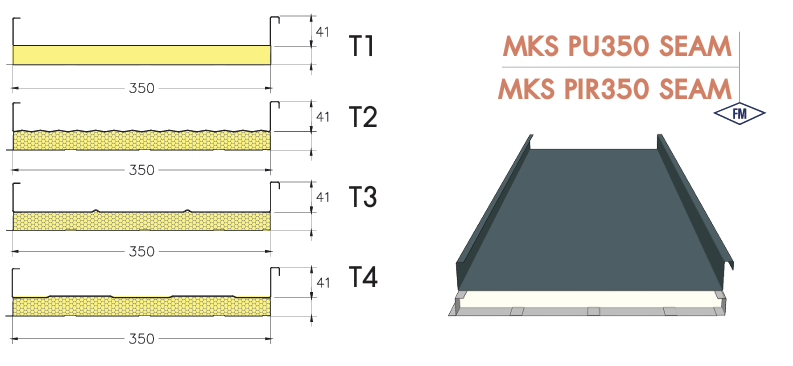
|
Insulation Sample
|
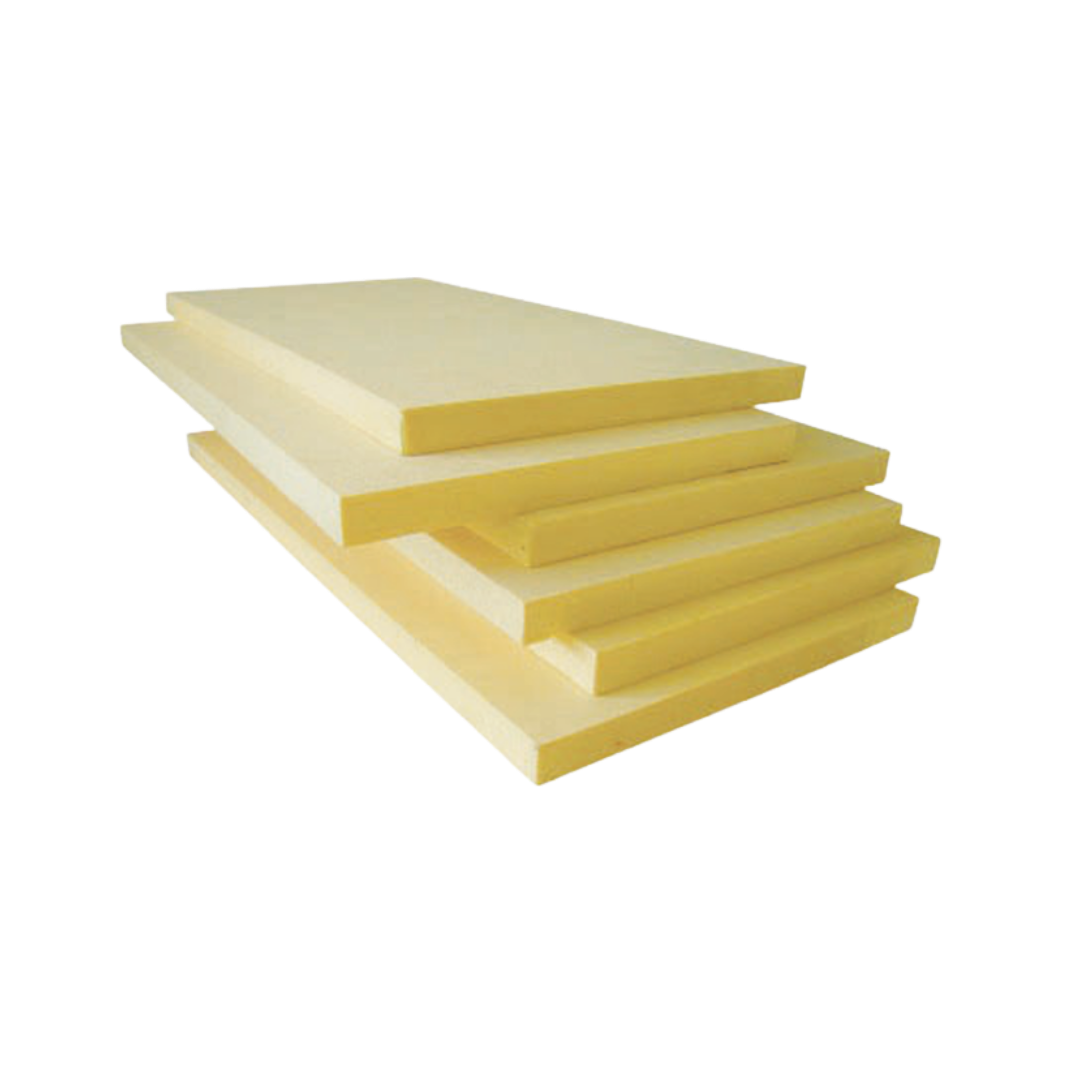 PU/PIR FOAM
|
 PE FOAM
|
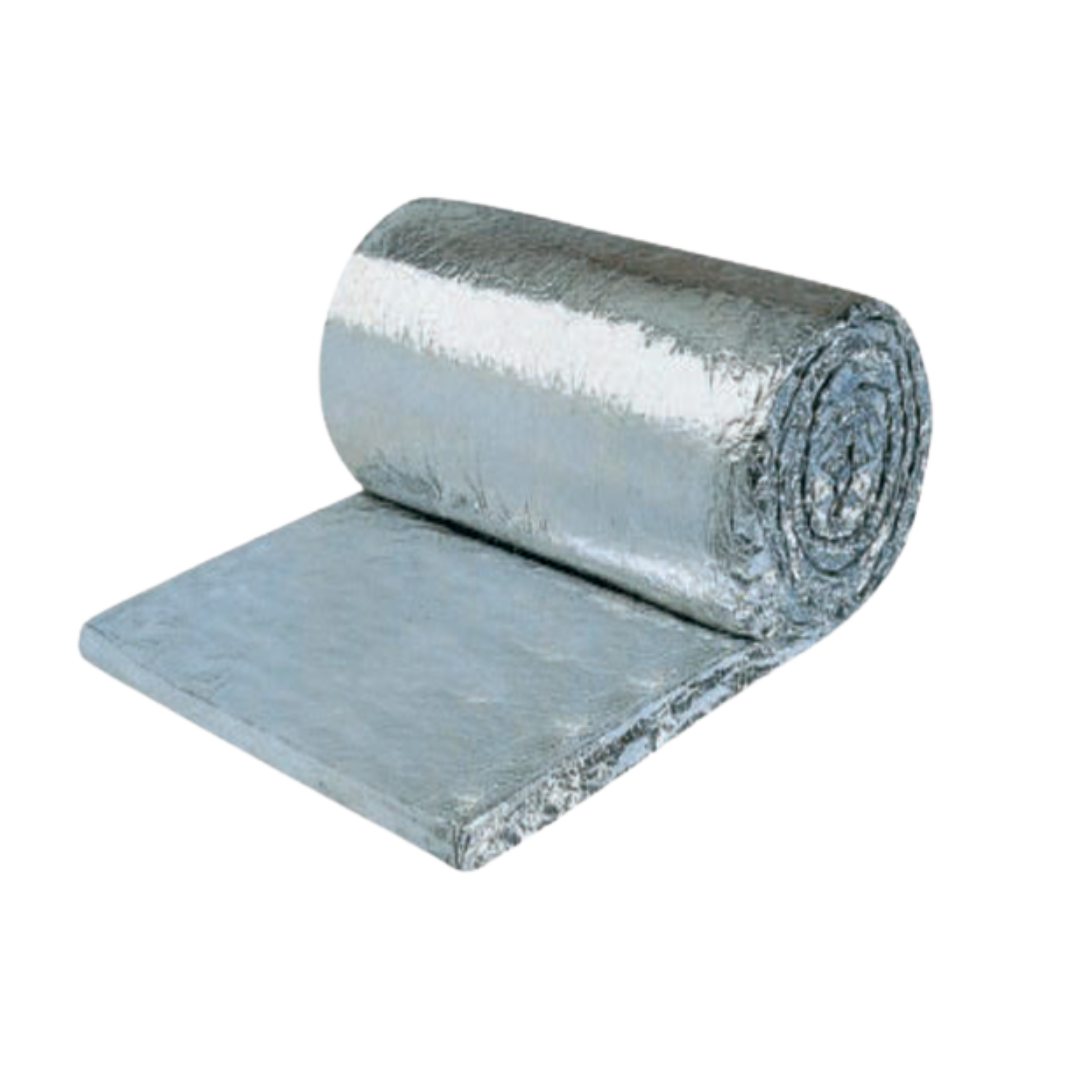 GLASS WOOL
|
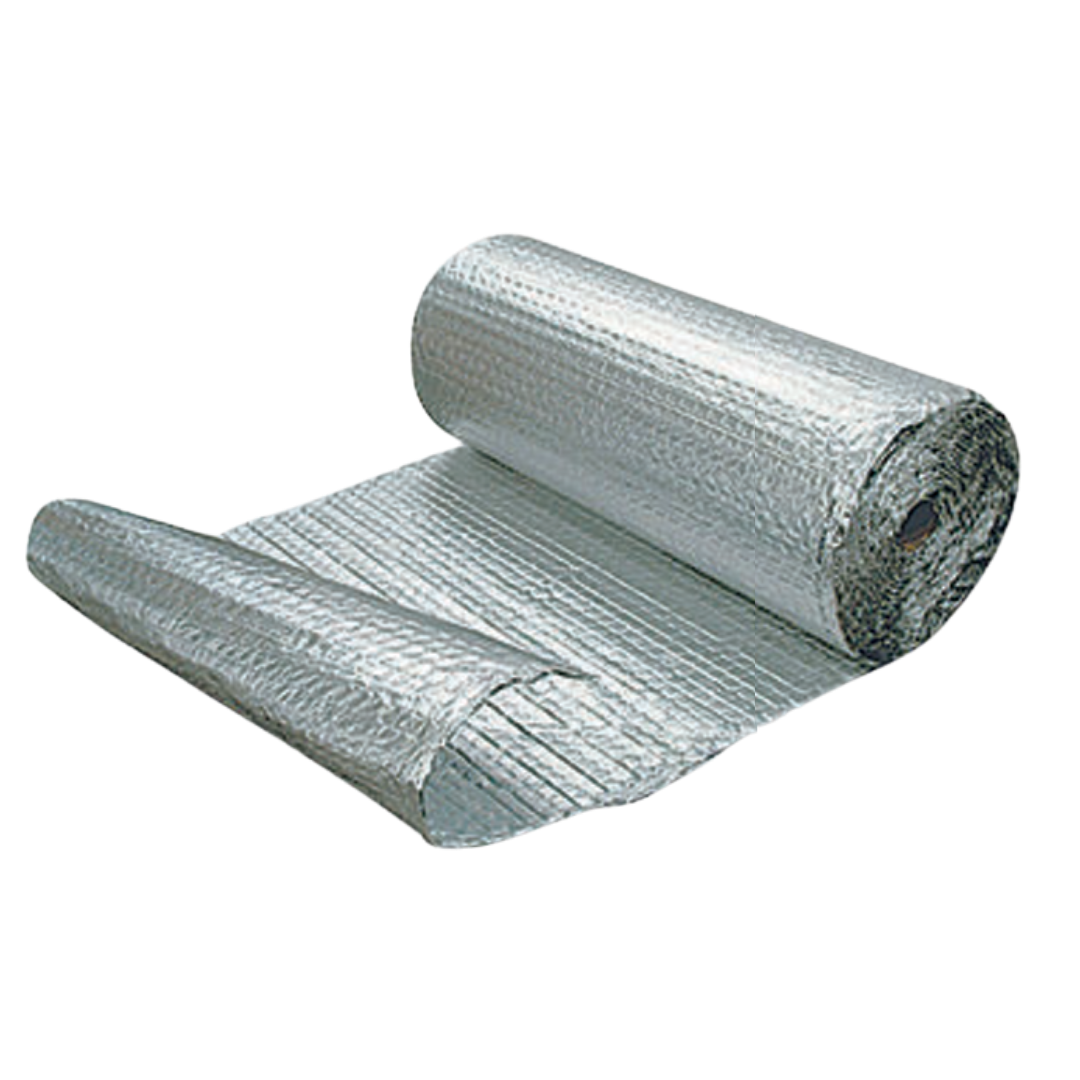
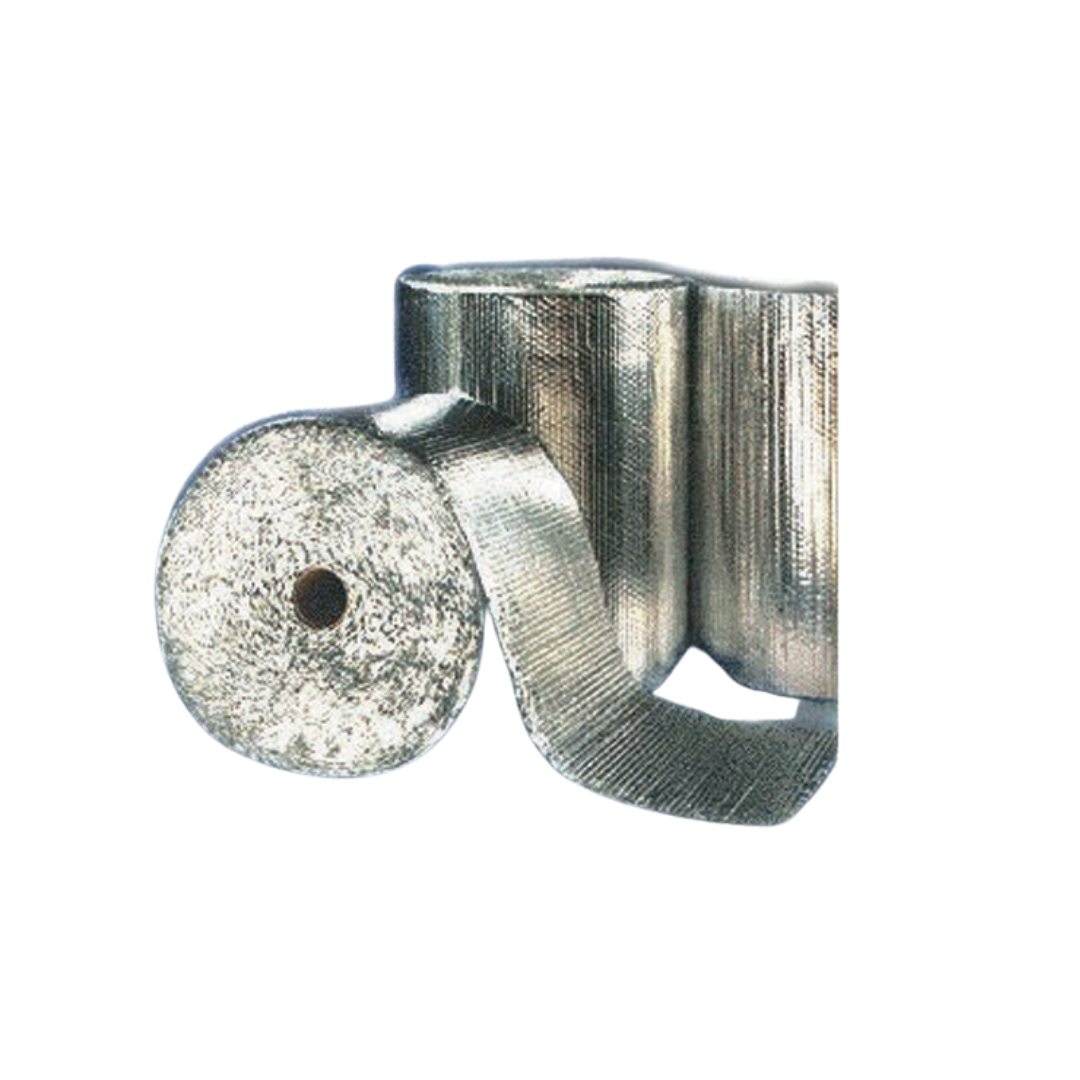 AIR BUBBLE
|
|
Cell Structure
|
Closed-cell structure for insulation-grade material
|
Closed-cell
|
Open-cell
|
Open-cell
|
|
Density
|
PU 35 kg/m³, PIR 40 kg/m³
|
24 kg/m³
|
16–32 kg/m³
|
38–40 kg/m³
|
Thermal Conductivity
(K-Value)
The lower the value, the better the insulation performance
|
0.018–0.023 W/m.K
|
0.030–0.037 W/m.K
|
0.035–0.038 W/m.K
|
0.039–0.045 W/m.K
|
|
Operating Temperature
|
-30°C to 100°C
|
-100°C to 80°C
|
-20°C to 200°C
|
-75°C to 250°C
|
|
Condensation Around the Covered Material
|
No condensation occurs because the insulation is
bonded directly to the roofing sheet. PU/PIR also
provides excellent adhesion to steel materials.
|
Condensation may occur due to the gap between
the insulation layer and the roofing sheet.
|
Condensation may occur due to the gap between
the insulation layer and the roofing sheet.
|
Condensation may occur due to the gap between
the insulation layer and the roofing sheet.
|
|
Chemical Resistance
|
Resistant to acids and alkalis
|
Resistant to acids and alkalis
|
Resistant to acids and alkalis
|
Resistant to acids and alkalis
|
|
Compressive Strength
|
Lightweight and provides the highest strength
compared with other insulation materials
of the same density.
|
The insulation is soft, requires higher density,
and is susceptible to compression.
|
The insulation is soft and easily compressed
because it is manufactured from layered fibers.
|
The insulation is soft and easily compressed
because air is trapped within the material.
|
|
Fire Performance
|
Combustible but does not support flame spread.
PIR provides better fire resistance than PU.*
|
Combustible and deteriorates within a short period.
|
The adhesive used to bond the insulation to the
roofing sheet may burn, while the insulation itself is non-combustible.
|
Combustible and deteriorates within a short period.
|
|
Sound Absorption
|
Good sound absorption
|
Moderate sound absorption
|
Excellent sound absorption
|
Moderate sound absorption
|
Resistance to Water, Moisture,
and Air Infiltration
|
Excellent resistance to water infiltration due to
its closed-cell structure. It can also be used
for gap filling.
|
Water infiltration or leakage may occur
when the adhesive deteriorates within 1–3 years.
|
Water infiltration or leakage may occur when the
adhesive deteriorates within 1–3 years, and moisture
may reduce the insulation’s performance.
|
Water infiltration or leakage may occur
when the adhesive deteriorates within 1–3 years.
|
|
Rust Prevention
|
PU/PIR foam helps protect the roofing sheet
from exposure to air and moisture.
|
Rust may occur if the adhesive deteriorates
and the insulation separates from the roofing sheet.
|
Rust may occur if the adhesive deteriorates
and the insulation separates from the roofing sheet.
|
Rust may occur if the adhesive deteriorates
and the insulation separates from the roofing sheet.
|
|
Service Life
|
Long-lasting and durable, with a service life of over 30 years.
(Based on surveys conducted in European countries.)
|
Service life depends on the quality of the bond
between the insulation and roofing sheet, as well as operating conditions.
|
Service life depends on the quality of the bond
between the insulation and roofing sheet, as well as operating conditions.
|
Service life depends on the quality of the bond
between the insulation and roofing sheet, as well as operating conditions.
|
|
Assembly and Installation
|
Easy to assemble and install in a single step.
|
Requires at least two installation steps.
|
Requires at least two installation steps.
|
Requires at least two installation steps.
|




 ไทย
ไทย